Heavenly Tours

Heavenly Tours

Heavenly Tours

Heavenly Tours

Heavenly Tours

Heavenly Tours

    Island’s Best Dishes

Tour Category


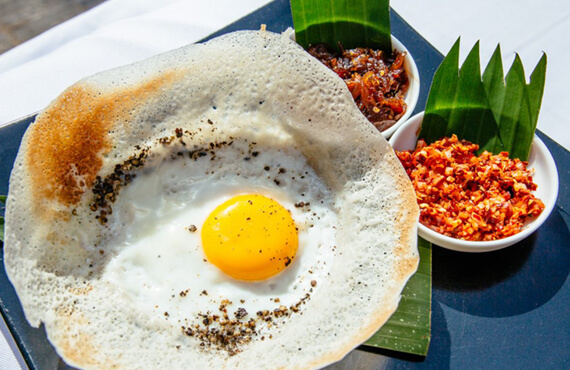
The not-so-ordinary pancake, made from fermented rice flour and coconut milk, is crisp on the outside and soft at the centre; it takes the shape of the circular, deep-mouthed tachchiya (hot pan) it is cooked in. Also known as the ‘hopper’ in Sri Lanka, this dish is indigenous to the Indian subcontinent and is prepared in multiple ways to create different variations. These vary from the plain hopper (appa), the egg hopper (biththara appa) which has an entire egg cooked within it, to its slightly sweeter variants – the milk hopper (kiri appa) and the pani appa (made using treacle). The hopper is ideally served alongside local side dishes like seeni sambol, dhal and lunu miris.
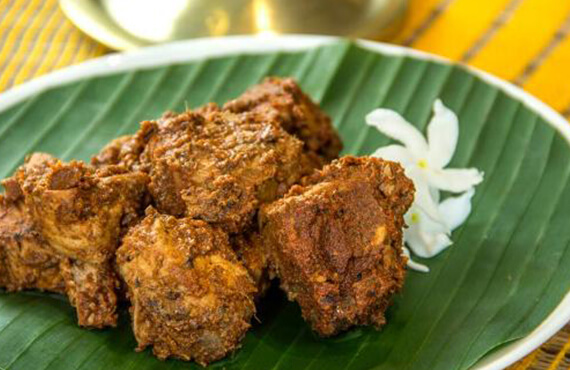
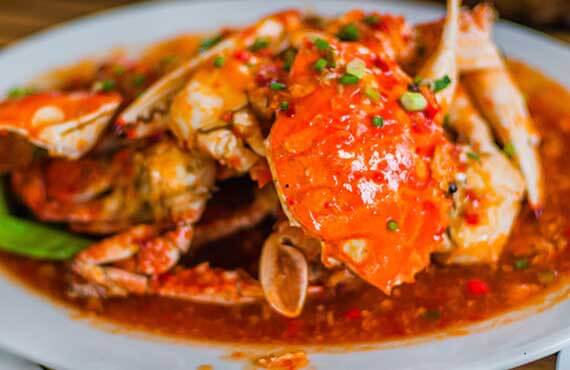
Being an island nation in the tropical waters of the Indian Ocean gives Sri Lankans access to readily available fresh seafood. There is no shortage of seafood dishes in the Lankan cuisine. One popular, must-try dish is the sour fish curry or malu ambul thiyal that is preferably made with fresh tuna, but bonito or mackerel could also be used as suitable alternatives. A load of native spices and a special ingredient – goraka (aka malabar tamarind) gives this dish its unique tangy flavour. Initially this hot, peppery dish was developed as a means to preserve fish in the south, but has now become a favourite picnic curry. It is often enjoyed in conjunction with either rice or pol roti (a flatbread made using coconut).

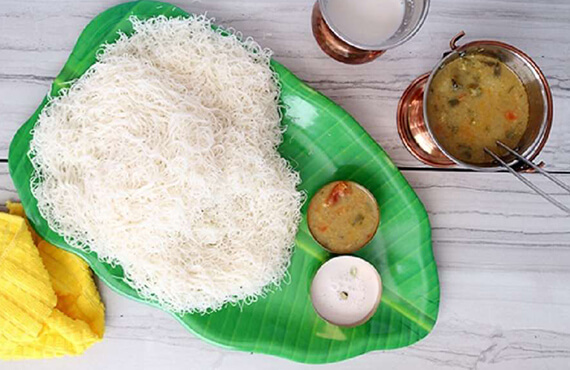
One other dish that is an integral part of Sri Lankan cuisine is idiyappam (string hoppers). It is a light and easily digestible delicacy made of rice flour pressed into a noodle form and then steamed. This is a dish popular in south India and can be dated back to the first century AD. Idiyappam is generally served as a main course at breakfast or dinner together with curries. A simple yet coveted combination is with the ala hodi (potato curry), parippu (dhal) and spicy pol sambol (coconut sambol). In Sri Lanka, it is also sometimes consumed with coconut milk and sugar.

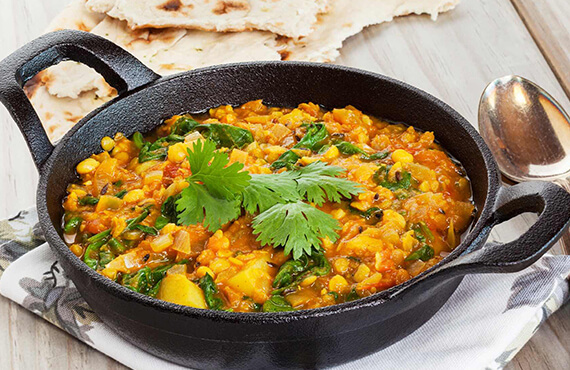
The parippu is one of the staple curries of Sri Lankan cooking. It is a curry dish made of mysore dhal (lentils) and gets its yellow colour from saffron. An excellent side dish that goes with anything – from rice, to roti, to string hoppers, to roast paan (bread that is roasted in an oven).

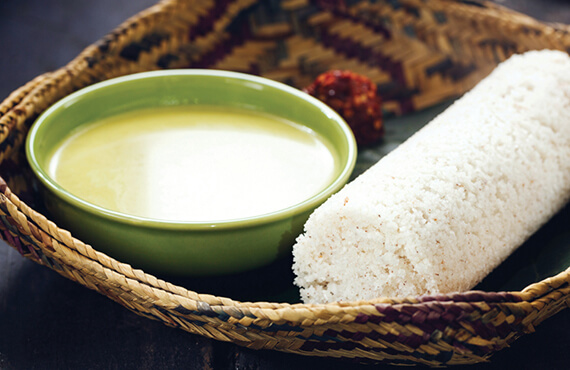
Yes it’s exactly what it sounds like – a steamed cylindrical serving of ground rice and/or coconut. Also commonly referred to as ‘puttu’ in south India, this peculiar rice dish can be served either alongside ghee and sugar, or with spicy gravies – especially paya or mutton curry. The Sri Lankan version of this dish is commonly prepared using wheat flour (mani pittu), while the other favourite choice is the pol pittu, made using coconut and served invitingly on a traditional banana leaf to add flavour.

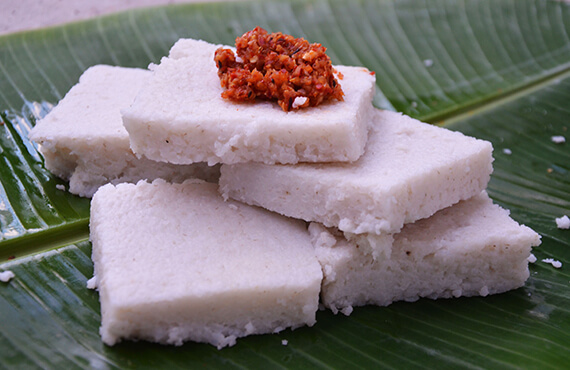
Kiribath is a coconut milk rice dish that is served at most Sri Lankan festivities; it is perfectly complemented by the spicy, tangy taste of the lunu miris (onions ground with chili powder and lime). The rice is cooked in thick coconut milk and served as pieces. This is one traditional dish that should not be missed.

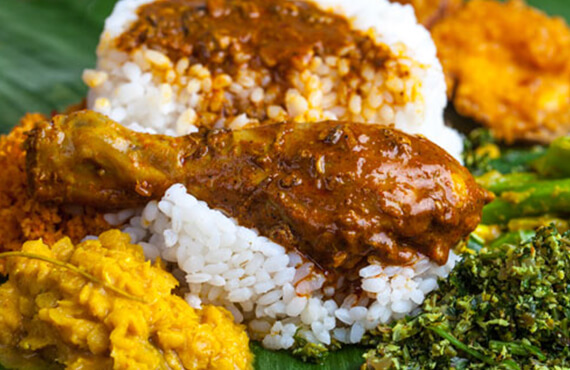
There’s nothing more common to eat as Sri Lankan food than a nutritious plate of rice and curry. You normally get a plate of rice piled with a few of the daily vegetable curries and a choice of fish curry as well.

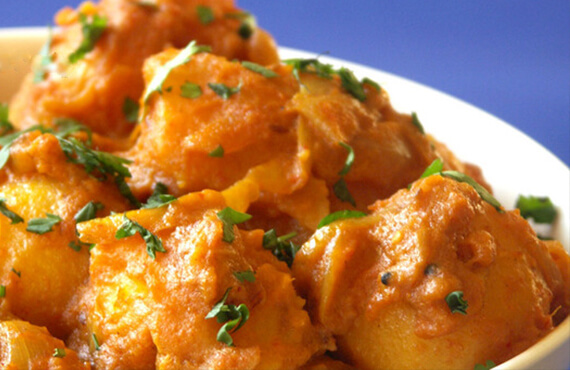
Boiled potatoes well cooked on thick coconut milk is the basic recipe of this particular food item. Selected as one of the favorite curries among the local citizens, Potato curry can be accompanied with almost any main course and nutritious wise the curry it self stands on a stable stage

Lorem Ipsum is simply dummy text of the printing and typesetting industry. Lorem Ipsum has been the industry standard dummy text ever since the 1500s, when an unknown printer took a galley of type and scrambled it to make a type specimen book. It has survived not only five centuries, but also the leap into electronic typesetting, remaining essentially unchange

Lorem Ipsum is simply dummy text of the printing and typesetting industry. Lorem Ipsum has been the industry standard dummy text ever since the 1500s, when an unknown printer took a galley of type and scrambled it to make a type specimen book. It has survived not only five centuries, but also the leap into electronic typesetting, remaining essentially unchange

Lorem Ipsum is simply dummy text of the printing and typesetting industry. Lorem Ipsum has been the industry standard dummy text ever since the 1500s, when an unknown printer took a galley of type and scrambled it to make a type specimen book. It has survived not only five centuries, but also the leap into electronic typesetting, remaining essentially unchange

opening hours
  • Mon–Fri: 9:00 am–6:00 pm
  • Sat–Sun: 11:00 am–4:00 pm

Buy a tour without leaving your home

Using our website, you can book any tour just in a couple of clicks.